
What items are banned from a roll-off dumpster?
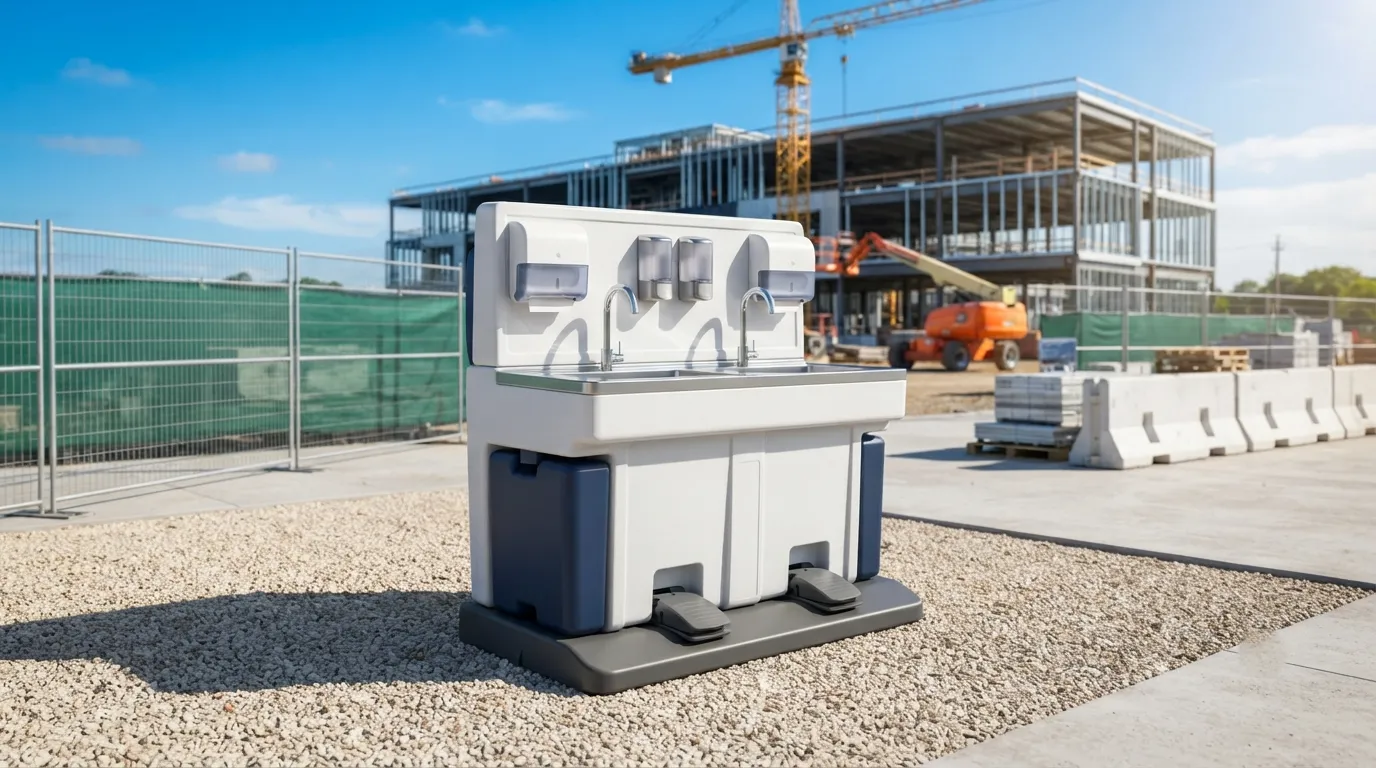
Hazardous material tops the list. Paint cans, solvents, pesticides, motor oil and anything with a hazmat label cannot ride in a roll-off dumpster rental, full stop. Landfills screen loads and a flagged container gets rejected or fined. Tires and car batteries are barred almost everywhere because of separate recycling streams. Refrigerators, air conditioners and anything holding refrigerant need special handling before they touch a dumpster. Propane tanks are a fire risk and never belong in the box, even empty ones. Electronics, especially TVs and monitors with old tube displays, usually fall under e-waste rules and need a separate drop-off. If a job involves stripping old paint or coatings and workers are exposed to that dust or overspray, OSHA 1926.51(f)(1) requires washing facilities on site, which is a separate need from the dumpster itself. Asbestos siding, insulation or tile is its own category and needs a licensed abatement contractor, not a standard container. Before ordering, check what cannot go in a dumpster against your specific job list, because a homeowner clearing out a garage in Passaic runs into different banned items than a crew on a teardown.
Can I put construction debris in a dumpster?
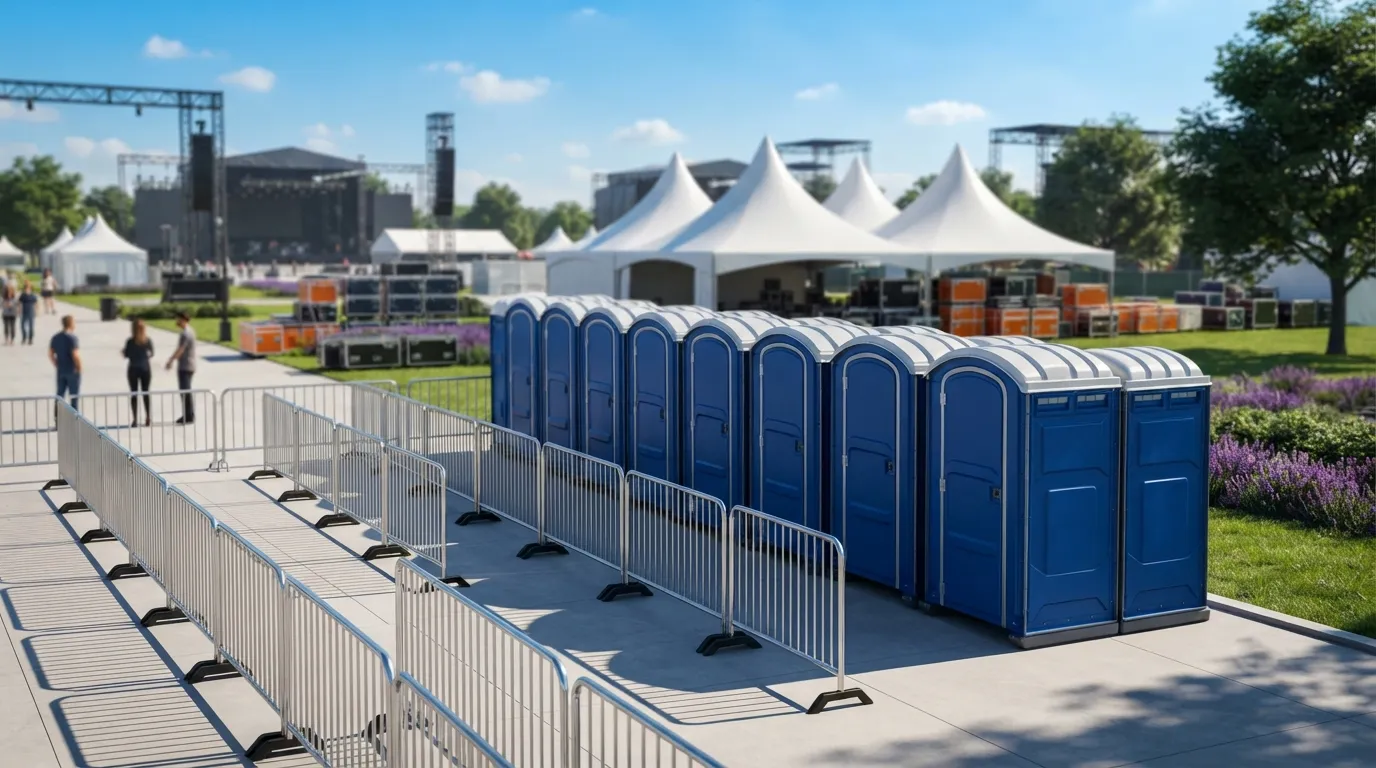
Yes, most construction debris is fine: wood, drywall, shingles, concrete and metal all load safely into a construction dumpster rental. Weight is the real limit here, not material type. Concrete and dirt are heavy enough that a full 30 yard dumpster rental loaded with masonry can blow past its weight allowance fast, and overage fees stack up. Check dumpster weight limits before you fill a container with anything dense. Wet material, especially soaked drywall or saturated carpet, also adds weight without adding volume, which catches people off guard. For a straightforward remodel, a 10 yard dumpster rental usually handles the debris without weight problems, while a full teardown often needs a 40 yard dumpster rental. Review dumpster sizes and dimensions against the scope of work first. Delivery trucks need roughly 60 feet of straight clearance behind the container to place and pull it, which matters on tight Passaic streets and driveways near multi-family housing. If the truck cannot get that clearance, placement has to move, and that changes where the container sits relative to a work zone protected by temporary fence rental or crowd control barrier rental.
Do I need a permit if the dumpster sits on the street?
If the container sits in the public right of way rather than a driveway, placement needs confirming with the City of Passaic before delivery. Rules on street placement vary by block and by how long the container stays, and this is not something to guess at. Check dumpster permit requirements and confirm with the city directly rather than assuming a driveway rule applies to a curb spot. This is separate from what goes inside the box. A permitted street placement can still get flagged if the load includes banned material, so both questions matter before the truck shows up. Renters in Garfield, 2.5 miles northeast of Passaic, and Lodi, 3.1 miles northeast, run into the same two-part question: where can it sit, and what can go inside it. Neither answer changes just because the job is small. A one-day cleanout still needs the same banned-item screening as a multi-week teardown, even if the dumpster rental cost is lower for a short job.
What happens if banned material ends up in my dumpster?
Landfills inspect loads, and a container with hazardous or banned material gets rejected, which delays pickup and can trigger extra fees passed back to the renter. This is the most expensive mistake on a job site, worse than picking the wrong container size. A rejected load means the truck comes back, the material has to be pulled out or redirected, and the schedule slips. Mixing banned items into an otherwise clean load is more common than people expect, especially on cleanouts where old paint cans or a dead car battery end up buried under regular debris. On job sites, general sanitation and toilet counts fall under OSHA 1926.51(c), which sets ratios like one toilet for 20 or fewer workers, a separate compliance question from dumpster contents but one that inspectors sometimes check at the same time. Keeping a clean load is simpler than sorting a rejected one. If a project in Nutley, 3.6 miles southwest of Passaic, or Elmwood Park, 5.2 miles north, needs a size adjustment mid-project because banned items ate into usable space, swapping to a 20 yard dumpster rental is usually easier than trying to squeeze everything into an undersized box.
| item type | allowed | notes |
|---|---|---|
| wood, drywall, shingles | yes | standard construction debris |
| concrete, brick, dirt | yes, watch weight | check dumpster weight limits |
| paint, solvents, pesticides | no | hazardous, landfill rejects load |
| tires, car batteries | no | separate recycling stream |
| refrigerators, AC units | no | refrigerant handling required |
| propane tanks | no | fire risk, even empty |
| electronics, old TVs | no | e-waste rules apply |
| asbestos material | no | licensed abatement only |
Can I throw a mattress in a dumpster?
Usually yes, but check with your provider first since some loads restrict bulky items separately from banned material. A mattress takes up volume fast in a smaller container, so factor that into sizing before ordering a 10 yard dumpster rental for a cleanout job.
What about yard waste and tree branches?
Yard waste generally loads fine into a roll-off, but weight adds up quickly with wet leaves and soil. For large landscaping jobs, ask about container size against expected volume rather than guessing.
Can paint cans go in if they are empty and dry?
Fully dried, empty paint cans are typically accepted, but cans with any liquid remaining are treated as hazardous. When in doubt, let the can dry completely or set it aside for separate disposal.
Does Passaic Porta Pros pick up banned items separately?
Passaic Porta Pros can advise on separate disposal routes for items that cannot go in the container, but hazardous material typically needs a specialized handler. Ask before the job starts so nothing gets stuck on site.
How do I know what size dumpster I need if some debris is banned?
Pull banned items out of your volume estimate first, then size the container for what remains. Compare your list against dumpster sizes and dimensions or ask directly through request a quote before committing.
Next step
Get a delivery date
Tell us the address, the dates and the headcount. We size the order and confirm the route.